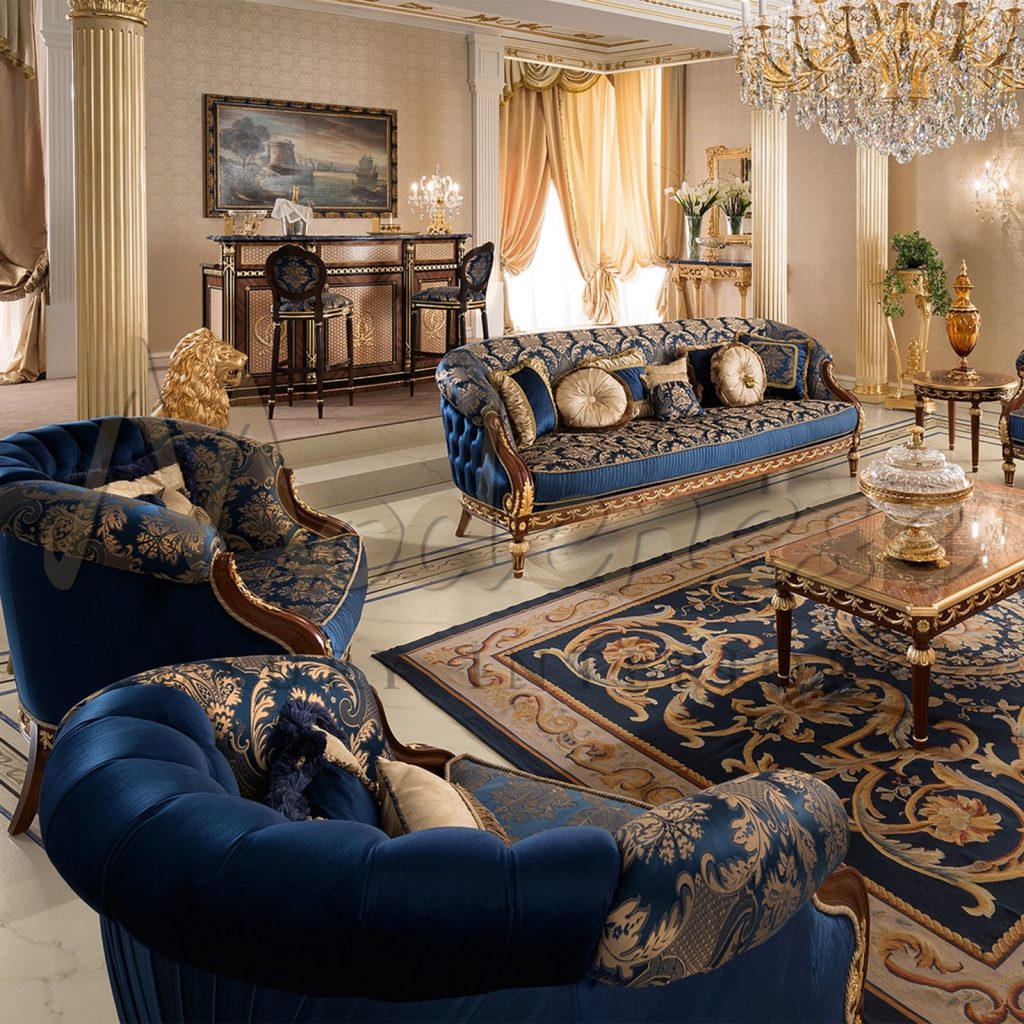
Interior Tips - Classic Luxury
This style is all about timeless elegance, sophisticated grandeur, and a feeling of effortless opulence. It borrows heavily from traditional European architecture (think Parisian flats or stately English estates) but keeps one foot firmly in the present so it doesn't feel like a dusty museum.I
n a classic luxury home, every piece feels deliberate, high-quality, and built to last. Here is how to inject that high-end, classic luxury aesthetic into your new home.
- Architectural Details Are Your Foundation
- True classic luxury starts with the bones of the room. If your new home has plain drywall, adding architectural interest is the highest-impact upgrade you can make.
- Applied Molding (Wainscoting or Picture Frame Molding):
- Adding simple wood trim in boxes along your walls instantly elevates a room from basic to bespoke.
- It adds depth, shadow lines, and that historic European flair.
- Crown Molding:
- Take your molding all the way to the ceiling.
- It draws the eye upward and hides the harsh 90-degree angle where the wall meets the ceiling, softening the entire room.
- Source Noble, Authentic Materials
- Plastic, laminate, and cheap veneers are the enemies of luxury.
- Classic luxury relies on materials that age beautifully and have a natural weight to them.
- Stone:
- Calacatta or Carrara marble, travertine, and quartz with deep, organic veining.
- Use it for coffee table tops, fireplace surrounds, or kitchen countertops.
- Wood:
- Rich, dark woods like walnut, oak, or mahogany.
- Look for classic flooring patterns like herringbone or chevron for an upscale, Parisian look.
- Metals:
- Ditch the shiny chrome.
- Opt for unlacquered brass, antique bronze, or brushed gold.
- These metals develop a beautiful patina over time, which screams "old money."

- Choose High-End, Structured Fabrics
- The textiles you choose should look rich and feel incredibly tactile.
- Classic luxury favors heavier weights and subtle, sophisticated sheen.
- Velvet:
- Perfect for a statement sofa or heavy drapery.
- It catches the light beautifully and adds instant warmth.
- Mohair and Bouclé:
- Great for accent chairs to introduce texture without relying on loud patterns.
- Silk and Linen:
- High-quality linen for tailored curtains, or silk-blend fabrics for throw pillows.
- The Curtain Rule:
- For classic luxury, your curtains must puddle slightly on the floor (about 1 to 2 inches of extra fabric trailing on the ground).
- This gives a lavish, custom-tailored appearance.
- Play with Symmetry and Scale
- Classic luxury layouts are rooted in formal balance. Human brains naturally perceive symmetry as harmonious and expensive.
- The Mirror Trick:
- Create a focal point in your living room with a grand fireplace or a large console table.
- Flank it with two identical armchairs, two identical table lamps, or a pair of matching mirrors.
- Statement Lighting:
- Every major room needs a crown jewel.
- Think a brilliant crystal chandelier in the dining room, an oversized brass pendant in the entryway, or an ornate plaster medallion anchoring your ceiling light.
- The "Quiet Luxury" Color Palette
- To keep classic luxury looking modern and fresh, skip the overly bright, saturated colors. Instead, lean into a muted, tonal, and deeply sophisticated palette.
Role Color Choices Designer Note The Base (60%) Chalky whites, soft creams, warm taupes, or rich greiges. Keeps the space bright, airy, and expansive. The Depth (30%) Charcoal, deep navy, forest green, or espresso brown. Used on cabinetry, a study wall, or large upholstery to anchor the room. The Glow (10%) Antique gold, bronze, or rich burgundy/oxblood. Introduced through hardware, lighting frames, and art. - Designer Trick:
- Paint your walls, baseboards, and molding the exact same color, but use different finishes.
- Use a flat/matte finish on the walls and a satin/semi-gloss on the trim. This creates an incredibly chic, subtle contrast that looks highly professional.
- Curate, Don't Decorate
- A luxury home should look like it was collected over a lifetime, not bought in a single weekend.
- Incorporate one or two antique pieces (like a vintage gilded mirror or a neoclassical side table) alongside your clean, modern furniture. The tension between old and new is where the magic happens.
- Invest in oversized, framed fine art or sculptural ceramics rather than small, mass-produced tabletop knick-knicks. Fewer, larger items always look more expensive than a clutter of small decor pieces.
Comments
Post a Comment